
Maharashtrian Catering in Bangalore: Veg Function Menus & 2026 Prices
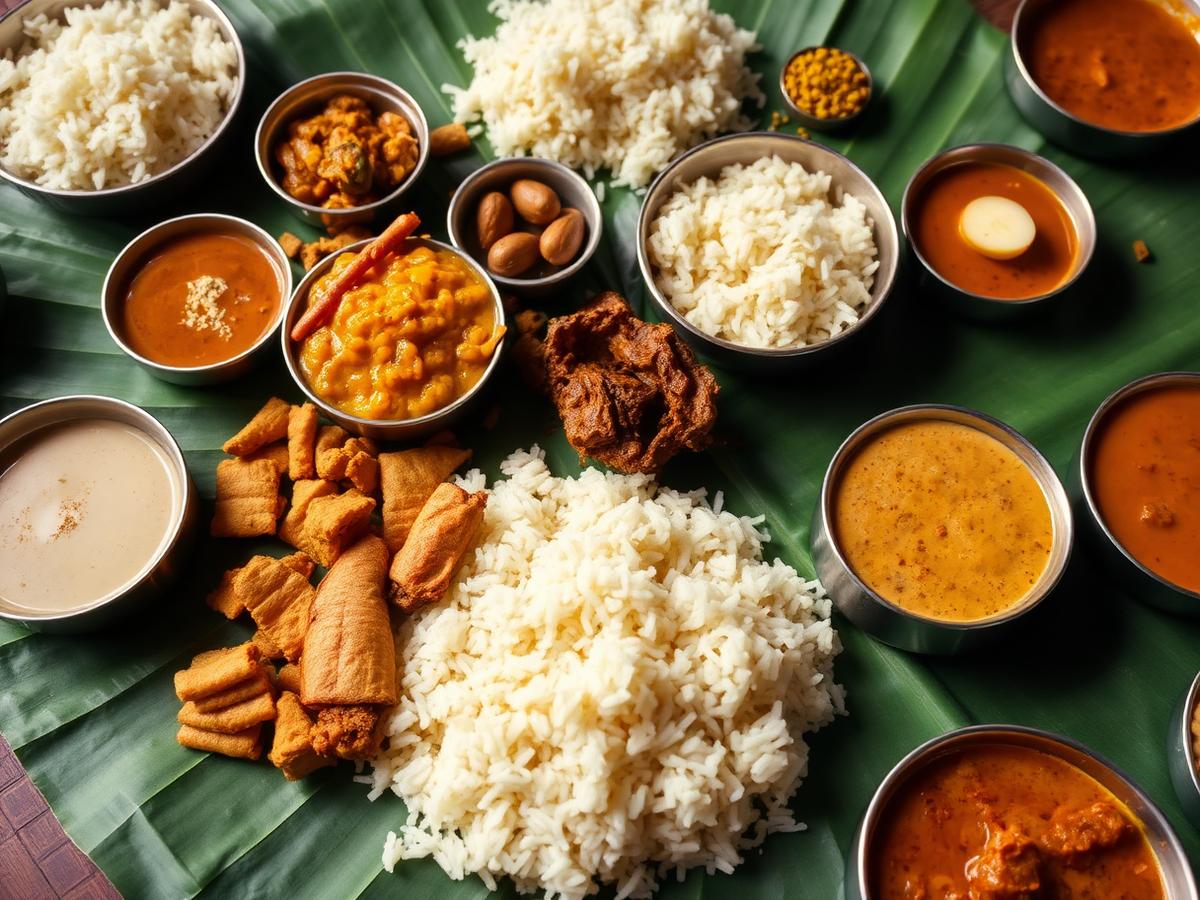
AI Overview
For Maharashtrian catering in Bangalore, budget approximately ₹380–₹950 per guest in 2026 for a vegetarian function meal, depending on the menu and service format. A balanced spread can include koshimbir, batata bhaji, masale bhat, varan or amti, chapati or puri, and puran poli or shrikhand. Ukadiche modak needs a separate steaming and serving plan. Confirm regional preferences, onion–garlic restrictions, sweet quantities and venue facilities before booking; these affect both authenticity and the final quotation.
Key takeaways
- Choose a recognisable Maharashtrian meal rather than adding several unrelated buffet dishes.
- Use ₹380–₹950 per plate as a 2026 planning range, not a fixed quotation; guest count, labour and venue facilities affect the price.
- For a full meal, plan one medium puran poli or two small ukadiche modak per guest as the principal sweet.
- Confirm whether the family expects varan or amti, chapati or puri, and mild or stronger chilli levels.
- Pure vegetarian does not automatically mean no onion–no garlic; record ritual restrictions separately.
- Puran poli finishing, modak steaming and chilled shrikhand need different service arrangements.
Key takeaways
- Choose a recognisable Maharashtrian meal rather than adding several unrelated buffet dishes.
- Use ₹380–₹950 per plate as a 2026 planning range, not a fixed quotation; guest count, labour and venue facilities affect the price.
- For a full meal, plan one medium puran poli or two small ukadiche modak per guest as the principal sweet.
- Confirm whether the family expects varan or amti, chapati or puri, and mild or stronger chilli levels.
- Pure vegetarian does not automatically mean no onion–no garlic; record ritual restrictions separately.
- Puran poli finishing, modak steaming and chilled shrikhand need different service arrangements.
1. Start with the family's version of a Maharashtrian meal
At Upendar Caterers, our starting question is not how many dishes to add, but which dishes will make the meal feel right to the family. As a chef running a pure vegetarian catering business in Bengaluru since 1995, I prefer to settle those expectations before discussing decorative counters.
Maharashtrian food is not one uniform menu. A family may want mild varan-bhat with ghee, a tangy-sweet amti, a coconut-forward preparation or a stronger chilli profile. For a function, choose one coherent direction rather than combining regional dishes simply to make the list longer.
Ask the family to approve the flavour of the amti, the filling and thickness of puran poli, and the heat level of the main bhaji. These small decisions matter more than an extra starter.
- Confirm varan versus amti: plain, mild dal and a seasoned, tangy dal are not interchangeable expectations.
- Specify whether goda masala is wanted in the amti or masale bhat; blends and household preferences vary.
- Decide whether coconut, peanuts, jaggery and kokum belong in the chosen dishes rather than adding them indiscriminately.
- For a pooja-linked function, get the family's ingredient restrictions approved before procurement.
2. Three vegetarian menus that work for functions
For a seated lunch, I would build around one bread, one main rice preparation, a dal, two vegetable preparations and one principal sweet. A larger buffet can carry more choice, but it should still taste like a Maharashtrian meal.
The menus below are starting points. Kothimbir vadi needs a crisp finishing plan, while puri needs frying close to service; adding both increases the pressure on a small venue kitchen.
- Simple family-function lunch: kakdi koshimbir, batata bhaji, fully cooked matki usal, chapati, varan, steamed rice, shrikhand, pickle and papad.
- Festive puran poli lunch: kothimbir vadi, koshimbir, seasonal bhaji, batata bhaji, puri, masale bhat, amti, puran poli with measured ghee, pickle and papad. If the family prefers katachi amti alongside puran poli, specify that version.
- Modak-led pooja lunch: approved no onion–no garlic koshimbir, batata bhaji, a seasonal vegetable, chapati, varan-bhat, ghee and ukadiche modak. Check each recipe with the family rather than assuming this menu meets every ritual rule.
- Optional welcome drink: kokum sherbet in warm weather, or taak with the meal. Solkadhi is another option when its coconut-garlic profile suits the family; request a garlic-free version if needed.
3. Maharashtrian catering prices in Bengaluru for 2026
Use these as indicative 2026 budgeting bands for approximately 100–250 guests at an accessible venue. They are planning estimates, not a published fixed tariff: smaller orders, premium ingredients, elaborate service and limited kitchen access can change the per-plate amount.
For comparison, the bands assume food, standard buffet vessels, setup and routine buffet service. Ask for transport, crockery, furniture, venue charges and applicable GST to be shown separately; do not assume those are covered.
A ₹600-per-plate menu for 150 confirmed guests gives a food-and-standard-service subtotal of ₹90,000 before separately quoted additions. Agree whether billing follows the guaranteed count, plates served or another written method.
| Menu level | Planning price per guest | Typical scope |
|---|---|---|
| Simple regional lunch | ₹380–₹500 | Koshimbir, two vegetable preparations, chapati, varan-rice, one sweet, pickle and papad |
| Festive puran poli meal | ₹520–₹700 | One starter, two vegetable preparations, bread, masale bhat, amti and puran poli with ghee |
| Expanded celebration menu | ₹720–₹950 | Welcome drink, one or two starters, broader mains and two sweets, with labour-intensive modak or fresh puran poli finishing |
4. Portion planning: puran poli, modak and the savoury meal
The quantities below are cooked, ready-to-serve starting points per adult for a lunch containing both bread and rice. They are not raw purchase weights. Adjust after choosing the actual menu: guests eat differently when the main attraction is puran poli rather than a light shrikhand finish.
For one principal sweet, allow one medium puran poli or two small modak per guest. If serving two sweets, reduce the first serving of each and hold a measured replenishment batch; two full dessert portions alongside an already generous meal usually create avoidable leftovers.
- For 100 adults choosing puran poli as the sole sweet, an initial production plan of 110 medium pieces provides a modest second-helping allowance.
- For 100 adults choosing modak as the sole sweet, plan approximately 220 small pieces, then adjust for children and the family's expected demand.
- Keep any naivedya portion separate and agree its quantity and handover time; do not take it from an active guest-service tray.
| Component | Starting quantity per adult | Adjustment |
|---|---|---|
| Koshimbir | 50–60 g | Prepare and replenish in small batches, especially when using curd |
| Dry bhaji | 80–100 g | Use the lower end when a substantial usal is also served |
| Usal or second vegetable | 80–100 g | Use fully cooked pulses or sprouts |
| Chapati or puri | 60–80 g total | Approximately two medium chapatis or three small puris; sizes must be standardised |
| Rice | 150–180 g total | Split between steamed rice and masale bhat if both are offered |
| Varan or amti | 120–150 g | Increase if rice is the dominant staple |
| Puran poli | One medium piece, 80–100 g | Allow 5–8 g ghee separately when requested |
| Ukadiche modak | Two small pieces, 70–90 g total | Use as an alternative principal sweet, not an automatic addition |
| Shrikhand | 60–80 g | Reduce to 40–50 g when paired with another sweet |
5. Plan service around the dishes that cannot wait
Ukadiche modak should be steamed in controlled batches and handled gently; prolonged holding can damage its texture. Puran poli needs separate finishing space so that warming and ghee service do not block the bread station. Shrikhand needs refrigeration, not a place beside hot buffet vessels.
For a 150-person buffet served over 60–75 minutes, plan roughly one service attendant per 25 guests: six attendants, plus a captain and two utility staff. For a seated meal, use approximately one server per 12–15 seated guests, plus a captain and runners. These are service-team ratios; cooks and specialist sweet staff are additional.
For a 12:30 pm lunch, arrange venue access around 10:00 am, complete the buffet layout by 11:30 am and check hot and cold holding before opening. Begin final modak batches approximately 20–30 minutes before their intended service, based on the steamer's tested cycle and capacity.
- Allow a dedicated cook and helper for fresh puran poli finishing, or a separate two-person steaming team for modak; do not assign the same pair to both during peak service.
- Keep hot food at 65°C or above and cold items at 5°C or below, with temperature checks during holding and replenishment.
- For an office lunch with only a 30-minute service window, use parallel serving lines rather than making guests wait at a live sweet station.
- Confirm water, drainage, ventilation and permitted cooking equipment before promising on-site frying or steaming.
6. Record ritual restrictions and allergens dish by dish
Our food is pure vegetarian, but that alone does not establish a no onion–no garlic or ritual-compliant menu. Usal, chutney, solkadhi and spice preparations need individual checking. For a pooja meal, the family or priest should approve the final ingredient list.
Peanuts can appear in koshimbir, vegetables and chutneys; wheat is present in chapati and many puran poli recipes; dairy is central to shrikhand and ghee service. Tell us about allergies before the menu is finalised, not when the buffet opens. A shared preparation environment should never be described as allergen-free without verified controls.
- Label peanut-containing dishes clearly and do not garnish a shared tray with peanuts after declaring it peanut-free.
- Check asafoetida blends when avoiding wheat, because some commercial blends contain wheat flour.
- Rice-flour modak is not automatically suitable for every guest: confirm the filling, ghee use and cross-contact controls.
- For vegan guests, agree separate recipes and serving utensils; removing visible ghee does not make a dairy-containing dish vegan.
7. What to confirm before booking your Maharashtrian menu
A useful tasting focuses on the dishes that define this meal: amti, masale bhat, the selected bhaji and the principal sweet. Ask to taste puran poli or modak under conditions close to the proposed service, rather than judging only a freshly made kitchen sample.
To discuss a Maharashtrian vegetarian function with Upendar Caterers, call 9661650666. Our official office and kitchen address is Coffee Board Layout, Nagavara, Bengaluru, Karnataka 560024. Share the date, guest count, lunch timing and preferred sweet so that we can scope the menu and service requirements.
- Confirm the exact dishes, portion sizes, spice level and onion–garlic rules in writing.
- State whether puran poli or modak is included in the per-plate price, how many pieces are planned and whether extra pieces are chargeable.
- Request a written service-team count, including separate staff for any sweet station.
- Agree a final-headcount deadline, preferably 48–72 hours before service where procurement allows.
- Record transport, crockery, applicable taxes, venue facilities, overtime, cancellation terms and leftover handling separately.
Areas we serve in Bengaluru
We cook on site across Bengaluru. Pick your neighbourhood for local menus, pricing and venue notes:
- Yelahanka catering
- RT Nagar catering
- Kalyan Nagar catering
- Nagavara catering
- Hebbal & Kempapura catering
- Sahakarnagar catering
- Thanisandra catering
- Manyata Tech Park catering
Get a menu and quote for your date
Share your date, guest count and location — we will send a tailored pure-veg menu and per-plate quote the same day.
Frequently asked questions
- How much does Maharashtrian vegetarian catering cost in Bangalore?
- For 2026 planning, allow approximately ₹380–₹500 per guest for a simple regional lunch, ₹520–₹700 for a festive puran poli meal and ₹720–₹950 for an expanded celebration menu. These are indicative bands for roughly 100–250 guests, not guaranteed rates. Confirm transport, crockery, venue-related costs and applicable GST separately.
- What should a traditional Maharashtrian vegetarian function menu include?
- A practical menu includes koshimbir, one or two vegetable preparations, chapati or puri, varan or amti, rice and a festive sweet such as puran poli, shrikhand or modak. Masale bhat and kothimbir vadi can add a stronger regional identity. The final selection should follow the family's preferences rather than treating every Maharashtrian household as having the same menu.
- Can you plan a Maharashtrian menu without onion and garlic?
- Yes, the menu can be planned without onion and garlic, including suitable versions of bhaji, varan, masale bhat and festive sweets. Chutneys, spice blends and optional drinks such as solkadhi must also be checked. For a ritual meal, confirm any additional exclusions with the family or priest before approving recipes.
- Can ukadiche modak be served at a large function?
- Yes, provided the steamer capacity, staffing and serving window are planned in advance. As the sole sweet, allow approximately two small modak per adult, weighing 70–90 g together, with an agreed reserve for second helpings. If the venue does not permit steaming, discuss controlled transport and hot holding before committing, because long holding affects texture.
- Is buffet service or a seated meal better for this menu?
- A seated meal works well when the family wants coordinated servings of varan-bhat, bhaji and puran poli. A buffet offers flexibility for mixed guest preferences, but modak and puran poli should have a staffed serving point. For planning, allow one buffet attendant per 25 guests or one seated-meal server per 12–15 guests, with captains and support staff additional.
- Can Maharashtrian catering be arranged for fewer than 100 guests?
- Ask for a small-function quotation rather than applying the larger-event per-plate bands directly. Cooking labour, transport and any dedicated modak or puran poli station are spread across fewer guests, so the unit cost may be higher. A compact menu with one signature sweet and no live station is usually simpler to execute.
About the author
Nandu Yadav
Chief Consultant & Owner, Upendar Caterers · 20 years in catering
Nandu Yadav is a veteran of the Bangalore catering industry with over 20 years of experience. He specializes in large-scale pure vegetarian event planning, traditional South Indian menu design, and per-plate costing for weddings and corporate events. Having managed over 5,000 successful functions across North Bangalore (Sanjaynagar, Sahakarnagar, Hebbal) and major tech parks, Nandu provides authoritative insights based on real-world logistical expertise.
- Pure Vegetarian Wedding Catering
- Per-plate Costing & Quantity Planning
- Traditional Brahmin & South Indian Menus
- Corporate Lunch Operations in Tech Parks
- On-site Kitchen Setup & Food Safety (FSSAI)
- Logistics for Large Events (5000+ guests)