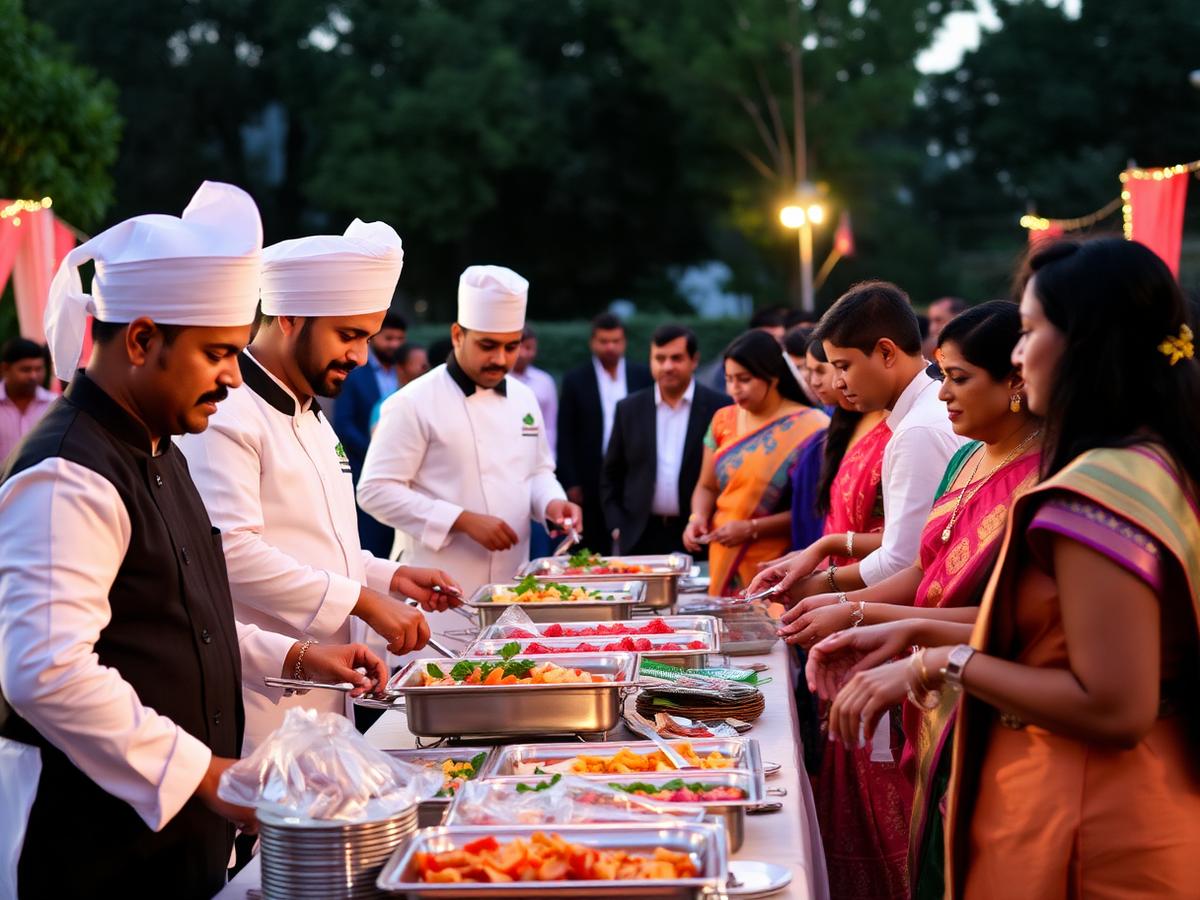
Outdoor Catering Services in Bangalore: On-Site Cooking, Power, Water and Permissions
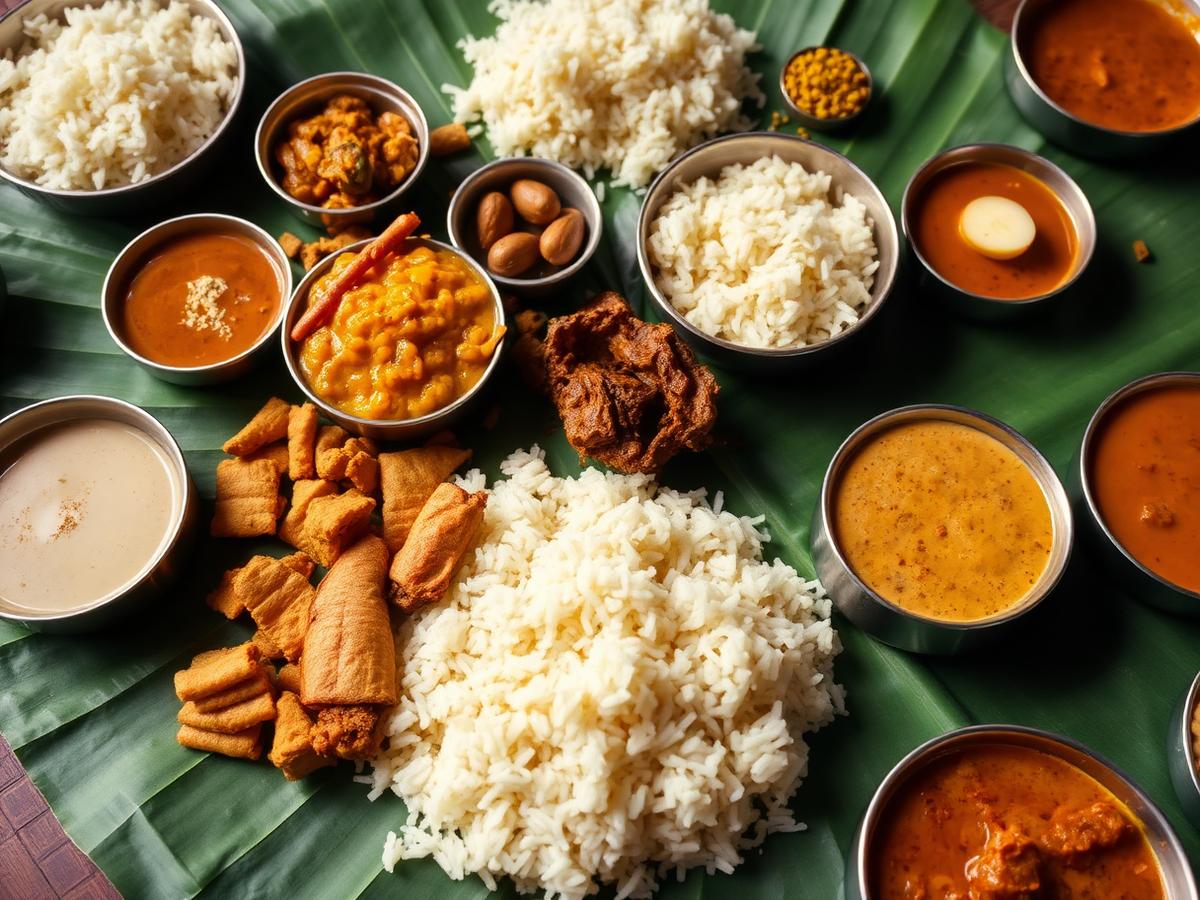
AI Overview
Outdoor catering services in Bangalore need more than a menu: confirm a permitted cooking area, safe LPG or electrical arrangements, potable water, drainage, weather protection and vehicle access before booking. For 2026 planning, allow roughly ₹450–₹950 per guest for a pure vegetarian meal, with temporary kitchen infrastructure priced separately where required. Inspect the site with the caterer and venue representative, agree who supplies each utility, and keep a covered alternative ready. On-site cooking should proceed only when the location can support safe preparation and service.
Key takeaways
- Get written approval for cooking, fuel use, working hours and kitchen placement—not just permission to hold the function.
- For 100–150 guests, initially reserve about 600–900 sq ft for a temporary kitchen and its working areas, excluding dining and buffet space.
- Use equipment nameplate ratings to prepare the electrical load plan; an available socket does not establish usable capacity.
- For a four-hour meal service, initially budget 5–7 litres of potable water per guest for drinking, cooking, handwashing and light utensil washing.
- Keep kitchen infrastructure, backup power, water and waste removal as separate lines in the quotation.
- Agree a rain-related relocation deadline before setup begins.
Key takeaways
- Get written approval for cooking, fuel use, working hours and kitchen placement—not just permission to hold the function.
- For 100–150 guests, initially reserve about 600–900 sq ft for a temporary kitchen and its working areas, excluding dining and buffet space.
- Use equipment nameplate ratings to prepare the electrical load plan; an available socket does not establish usable capacity.
- For a four-hour meal service, initially budget 5–7 litres of potable water per guest for drinking, cooking, handwashing and light utensil washing.
- Keep kitchen infrastructure, backup power, water and waste removal as separate lines in the quotation.
- Agree a rain-related relocation deadline before setup begins.
1. Decide how much cooking the outdoor site can actually support
At Upendar Caterers, our pure vegetarian catering business operating in Bengaluru since 1995, I start an outdoor booking with the site—not the dish list. A garden, apartment common area or open terrace may accommodate guests comfortably while still lacking a safe place to cook.
There are three workable formats: full on-site cooking, preparation in our kitchen with finishing at the venue, or delivery with hot holding and service. I recommend the format after checking access, utilities and weather protection. Full cooking is not automatically the freshest or safest choice if the venue cannot support it.
- Full on-site cooking: suitable when there is an approved kitchen zone, dependable water, safe fuel arrangements and sufficient preparation time.
- Kitchen preparation plus on-site finishing: useful when breads or selected fried items need fresh batches but the site has limited infrastructure.
- Delivery and service: preferable where flames are prohibited, kitchen access is unsuitable or there is no safe wet-weather cooking arrangement.
- For terraces, obtain approval for equipment loads, cylinder movement and cooking use before committing; a service lift alone does not make the location suitable.
2. Mark out the temporary kitchen before placing guest tables
For a meal serving 100–150 guests, I would initially reserve around 600–900 sq ft for cooking, preparation, washing and kitchen circulation. This is a planning allowance, not a statutory minimum; a compact finishing kitchen may need less, while several made-to-order dishes need more. Dining, guest queues and buffet counters require separate space.
Use a firm, level surface with approved weather protection and ventilation. Keep the route from cooking to service short, but do not place burners beside guest queues, children's play areas or emergency exits. Ordinary decorative fabric is not an acceptable substitute for a suitable cooking shelter.
- Create separate zones for receiving ingredients, clean preparation, cooking, ready-to-serve food, washing and waste.
- Protect food and equipment from soil, dust, insects and runoff; do not place vessels directly on the ground.
- Keep dirty utensils moving away from—not through—the ready-to-eat food area.
- Measure gates, lift doors and access paths against the actual equipment dimensions.
- Check unloading restrictions, trolley access and the distance between vehicle parking and the kitchen.
- Provide a dedicated handwash point with potable water, soap and hygienic drying materials.
3. Plan electricity and LPG as two separate safety checks
Ask for a written equipment list showing electrical ratings. Two 3.5 kW induction units, a 2 kW hot-water unit, 1 kW of holding equipment and 0.5 kW of lighting total 10.5 kW of connected load. That excludes other equipment and starting loads; the venue's qualified electrician must determine the supply, circuits, protection and backup required.
Where LPG is permitted, use an authorised commercial arrangement with suitable equipment and trained handlers. Cylinder placement, ventilation, emergency isolation and fire protection must be approved for the site. Do not enclose a flame kitchen with tarpaulin walls to solve a rain problem.
- Confirm whether the offered connection is dedicated to catering or shared with lighting, sound and décor.
- Have an electrician arrange earthing, appropriate residual-current protection, weather-protected distribution and safe cable routing.
- Do not run high-load cooking equipment from domestic extension boards or daisy-chained sockets.
- Let the electrical vendor size any generator from the actual load schedule; specify fuel, operating hours, operator and changeover arrangements.
- Keep generator exhaust away from occupied or enclosed areas, food preparation and air intakes.
- Provide suitable, serviced extinguishers and a fire blanket, with staff briefed on isolation and evacuation.
4. Calculate water, wastewater and food-holding needs together
For a four-hour meal service, an initial allowance is 5–7 litres of potable water per guest: approximately 1.5–2 litres for drinking, 1–1.5 litres for cooking, and 2.5–3.5 litres for handwashing and light utensil washing. For 100 guests, that means roughly 500–700 litres. Increase this for hot weather, longer service or extensive reusable-crockery washing.
Confirm both the source and the delivery point. Water in a distant building is not a usable kitchen supply unless there is an approved way to bring it across. Store it in clean, covered, food-grade containers and arrange collection or authorised disposal of wastewater; never let washing water spread across the lawn or enter a stormwater drain.
Outdoor holding needs active temperature control. I plan to keep hot food at 65°C or above and cold food at 5°C or below, checking with a clean probe thermometer. Curd-based dishes, cut fruit and desserts needing refrigeration should not sit on an unchilled outdoor table.
- Confirm refill arrangements and an emergency potable-water reserve rather than relying on one delivery.
- Keep clean-water storage physically separate from wastewater collection.
- Provide covered bins and agree who removes segregated waste after service.
- Use smaller buffet batches and replenish from protected holding equipment instead of displaying the entire quantity at once.
- Plan food quantities by the complete menu: a rice component may start at 150–180 g cooked per guest, with a dry vegetable at 80–100 g and a gravy at 100–120 g. Adjust these when alternative starches and dishes are offered.
5. Get the right permissions—and write down the rain decision
There is no single permission that automatically makes every Bengaluru outdoor site suitable for catering. Requirements depend on the property, event size, temporary structures, fuel, electrical arrangements and use of public space. Obtain the owner's or association's written consent first, then ask the venue and relevant local authorities which additional approvals apply.
The caterer's applicable FSSAI registration or licence does not replace venue or event permissions. Equally, permission to use a lawn does not necessarily permit LPG, generators, cooking shelters or late-night loading.
Agree a covered alternative and a relocation deadline before the event. My planning preference is to review the forecast 24 hours beforehand and make the setup decision about six hours before service, earlier if the structure vendor needs it. If wind, lightning, waterlogging or unsafe electrical conditions develop, pause work and service rather than trying to cook through them.
- Property approval: record the kitchen boundary, cooking method, access hours, wash area and restoration obligations.
- Fire and temporary structures: establish whether inspection, approval or additional precautions are required for the proposed setup.
- Public land or road use: seek the relevant authority's approval where applicable; do not assume unloading or guest overflow can occupy it.
- Generators and sound: verify applicable placement, emission, noise and operating-hour requirements.
- Wastewater and waste: identify the permitted disposal route and the responsible vendor.
- Rain backup: identify an approved cooking location and guest-service location—not merely an unused room.
6. Budget separately for the meal and the temporary kitchen
For 2026 planning in Bengaluru, the following are indicative pure vegetarian price bands, not fixed offers. The per-guest bands assume approximately 100–200 guests, one meal and straightforward access, with ordinary cooking vessels, standard buffet equipment and routine service staff. Smaller bookings and difficult sites can carry higher effective per-guest costs.
Temporary infrastructure should be itemised rather than hidden inside an unexplained outdoor surcharge. The site allowances below are separate planning estimates; they are not automatically required together. Obtain a written quotation stating taxes, transport, equipment inclusions, service duration and overtime.
| Cost item | Planning range | What to confirm |
|---|---|---|
| Straightforward vegetarian meal | ₹450–₹650 per guest | Limited on-site finishing; venue supplies usable kitchen utilities and shelter |
| Vegetarian meal with more on-site cooking | ₹650–₹950 per guest | Additional cooking labour and equipment; temporary infrastructure remains separate |
| Temporary kitchen shelter and basic floor protection | ₹12,000–₹30,000 per event | Area, suitable materials, installation, dismantling and weather limitations |
| Temporary electrical distribution | ₹4,000–₹10,000 per event | Distribution board, protected connections, cable runs and electrician; power source extra |
| Generator backup | ₹8,000–₹18,000 per event | Load-based capacity, fuel allowance, operator, transport and operating hours |
| Potable-water handling and wash arrangement | ₹3,000–₹8,000 per event | Source, quantity, containers, wash point and wastewater collection |
7. Set the staffing plan and conduct a pre-service handover
For a straightforward 100-guest buffet with substantial on-site cooking, a starting team is 2–3 cooks, 3 kitchen helpers, 4–5 service staff, 1 dedicated wash-and-waste attendant and 1 supervisor. That is roughly one service staff member per 20–25 guests, excluding the kitchen team. Long carrying distances or made-to-order items need extra people.
I prefer the supervisor and venue representative to sign off utilities, kitchen placement and the backup area before ingredients are unloaded. Once guests arrive, changing a cylinder location, finding another power circuit or moving a wash station becomes much harder.
To plan an outdoor function with Upendar Caterers, call 9661650666 with the guest count, service time, site photographs and the venue's cooking rules. Our office and kitchen address is Coffee Board Layout, Nagavara, Bengaluru, Karnataka 560024.
- Previous day: reconfirm permissions, weather decision, access, water source, electrical load and vendor responsibilities.
- Six hours before service: hand over the site and check shelter, drainage, unloading and backup arrangements.
- Four hours before service: finish kitchen setup, test utilities and start the agreed preparation schedule; some menus need earlier access.
- Ninety minutes before service: check production progress, holding temperatures, drinking water and waste stations.
- Thirty minutes before service: brief staff, clear guest routes and release only the first service batches.
- After service: isolate equipment safely, remove waste and wastewater through approved routes, and complete a joint site inspection.
Areas we serve in Bengaluru
We cook on site across Bengaluru. Pick your neighbourhood for local menus, pricing and venue notes:
- Yelahanka catering
- RT Nagar catering
- Kalyan Nagar catering
- Nagavara catering
- Hebbal & Kempapura catering
- Sahakarnagar catering
- Thanisandra catering
- Manyata Tech Park catering
Get a menu and quote for your date
Share your date, guest count and location — we will send a tailored pure-veg menu and per-plate quote the same day.
Frequently asked questions
- Can you cook outdoors in an apartment common area or on a terrace?
- Only if the property owner or association approves the proposed cooking arrangement and the site supports safe access, utilities and emergency routes. Terrace work also needs confirmation that equipment loads and fuel arrangements are acceptable. If flames or cooking are prohibited, kitchen-prepared food with approved holding and service may be the better option.
- Who arranges permissions for outdoor catering in Bangalore?
- The organiser or venue normally coordinates property and event-related approvals, while the caterer provides applicable food-business documentation and details of the kitchen setup. Exact responsibilities should be written into the booking because requirements vary by site. Ask specifically about cooking, LPG, temporary structures, generators and public-space use rather than requesting a general permission to hold the event.
- Does outdoor catering always need a generator?
- No—a dependable, adequately rated venue supply may be sufficient. A qualified electrician should assess the actual equipment load and whether it shares circuits with sound or décor. Where electrical cooking or essential cold holding cannot tolerate an interruption, agree a suitable backup or a safe alternative operating plan.
- What happens if it rains during the function?
- The booking should identify an approved covered kitchen, a protected service area and the deadline for relocating. A canopy alone may not address wind-driven rain, runoff or wet electrical connections. If conditions become unsafe, cooking and service should pause until equipment and routes have been checked.
- Does the per-plate price include tents, water and power?
- Do not assume so: these can be supplied by the venue, caterer or a separate infrastructure vendor. Ask for separate lines covering shelter, flooring, electrical distribution, generator fuel, potable water and wastewater handling. Also confirm taxes, transport, labour hours and dismantling charges before comparing quotations.
- Is all the food cooked at the outdoor venue?
- Not necessarily, and full on-site cooking is not always the right choice. We agree which dishes are prepared in the kitchen, transported under temperature control, cooked at the venue or finished in small batches. The final arrangement should reflect the site's permissions, water, power, working space and service window.
About the author
Nandu Yadav
Chief Consultant & Owner, Upendar Caterers · 20 years in catering
Nandu Yadav is a veteran of the Bangalore catering industry with over 20 years of experience. He specializes in large-scale pure vegetarian event planning, traditional South Indian menu design, and per-plate costing for weddings and corporate events. Having managed over 5,000 successful functions across North Bangalore (Sanjaynagar, Sahakarnagar, Hebbal) and major tech parks, Nandu provides authoritative insights based on real-world logistical expertise.
- Pure Vegetarian Wedding Catering
- Per-plate Costing & Quantity Planning
- Traditional Brahmin & South Indian Menus
- Corporate Lunch Operations in Tech Parks
- On-site Kitchen Setup & Food Safety (FSSAI)
- Logistics for Large Events (5000+ guests)