Telugu Wedding Catering in Bangalore: Menus, Pindivantalu & 2026 Costs
AI Overview
For Telugu wedding catering in Bangalore, budget approximately ₹380–₹520 per guest for a compact traditional vegetarian meal, ₹550–₹750 for a fuller wedding spread, and ₹780–₹1,050 for an elaborate menu with additional sweets and snacks in 2026. Build the meal around pulihora, plain rice, pappu, vegetable dishes, pulusu or charu, curd, and carefully chosen pindivantalu such as bobbatlu, burelu or ariselu. Confirm family recipes, serving format and the meal-release time before finalising the quotation; transport, venue charges and GST may be additional.
Key takeaways
- Choose the family's preferred Telugu dishes before deciding the total item count; Andhra, Telangana and Rayalaseema preferences are not interchangeable.
- For most menus, one substantial pindivantakam and one lighter sweet are enough. Add more only when the budget and service plan support them.
- Use ₹380–₹1,050 per guest as an indicative 2026 planning range, not a fixed tariff; obtain a written quotation for the actual menu and venue.
- Specify cooked portions, batch sizes and a staggered meal-release plan rather than asking the kitchen to prepare every dish in equal quantities.
- A seated meal needs dedicated rice, liquid-dish and sweet servers, with staffing linked to the number of guests eating at the same time.
Key takeaways
- Choose the family's preferred Telugu dishes before deciding the total item count; Andhra, Telangana and Rayalaseema preferences are not interchangeable.
- For most menus, one substantial pindivantakam and one lighter sweet are enough. Add more only when the budget and service plan support them.
- Use ₹380–₹1,050 per guest as an indicative 2026 planning range, not a fixed tariff; obtain a written quotation for the actual menu and venue.
- Specify cooked portions, batch sizes and a staggered meal-release plan rather than asking the kitchen to prepare every dish in equal quantities.
- A seated meal needs dedicated rice, liquid-dish and sweet servers, with staffing linked to the number of guests eating at the same time.
1. Start with the family's Telugu wedding meal, not a generic package
As the head chef and owner of Upendar Caterers, a pure vegetarian catering business operating since 1995, I start with one question: which dishes would your elders miss if they were absent? For one family it is mamidikaya pappu and bobbatlu; for another it is gutti vankaya, pulihora and burelu. That answer is more useful than choosing a package by its item count.
Telugu wedding food varies between households as well as regions. I would not automatically make a Telangana family's menu identical to a coastal Andhra or Rayalaseema menu, or assume every dish should be very spicy. Confirm sourness, chilli level, garlic use and the recipes of the important sweets at the tasting.
Also separate the ritual food requirement from the guests' wedding meal. If the family requires a no onion–no garlic preparation or a separately prepared offering, record the exact instructions rather than treating all Telugu weddings as having one dietary rule.
- Ask each side of the family to nominate two essential dishes, then resolve overlaps before adding extras.
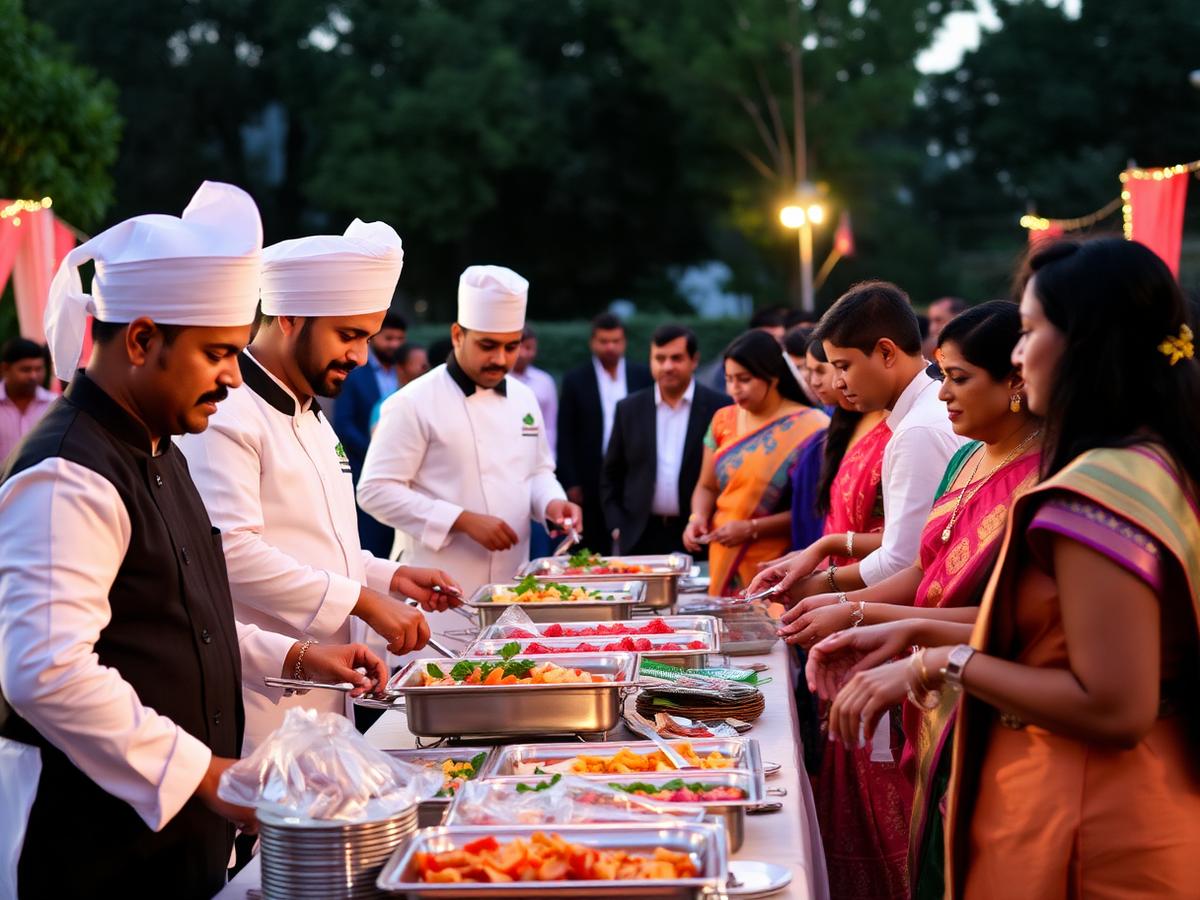
- Confirm whether guests expect a seated traditional meal, a buffet or separate arrangements for different meal sessions.
- Choose seasonal substitutions in advance, especially when raw mango is central to the pappu or pulihora.
- Keep the Telugu identity in the main meal; unrelated additions should not displace the dishes the family actually wants.
2. Build the menu around complementary dishes
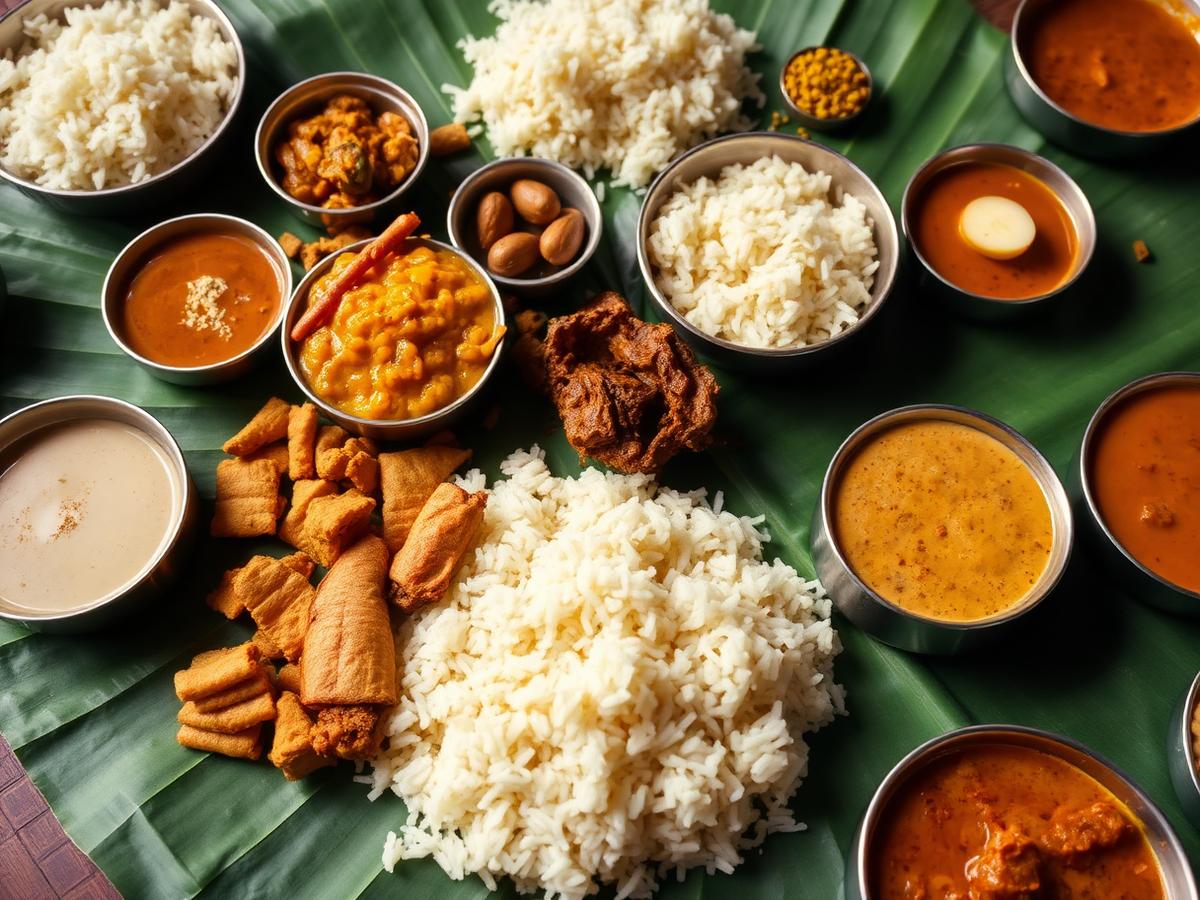
A balanced Telugu wedding menu gives each dish a job: a tangy rice, a comforting pappu, a dry vegetable, a gravy or pulusu, and a lighter charu before the curd finish. These are menu-building roles, not a compulsory ritual serving order. Follow the family's preferred service sequence.
For a fuller traditional meal, I would discuss pulihora, steamed rice, mamidikaya pappu or tomato pappu, bendakaya vepudu, gutti vankaya, a vegetable pulusu, charu, curd, appadam, pickle, bobbatlu and payasam. If the pappu and rice are already distinctly sour, soften the acidity elsewhere rather than making every course equally tangy.
| Menu role | Suitable choices | Planning decision |
|---|---|---|
| Flavoured rice | Tamarind pulihora or seasonal mango pulihora | Choose one for a compact menu; a second rice is optional, not essential. |
| Pappu | Mamidikaya pappu, tomato pappu or palakura pappu | Select one family favourite and confirm garlic and tempering preferences. |
| Dry vegetable | Bendakaya vepudu, beans–carrot preparation or cabbage with coconut | Choose a dish that holds its texture through the planned service window. |
| Substantial vegetable dish | Gutti vankaya or another agreed vegetable gravy | If using a peanut or sesame filling, declare it clearly. |
| Liquid accompaniments | Vegetable pulusu and charu | Keep their flavour profiles distinct; confirm whether the family wants sambar instead. |
| Pindivantalu and sweets | Bobbatlu or burelu, with semiya or saggubiyyam payasam | Balance one richer preparation with a smaller second sweet. |
| Supporting accompaniments | Steamed rice, curd, appadam, pickle and optional podi with ghee | Make these easy to replenish rather than treating them as decorative extras. |
3. Choose pindivantalu for taste, workload and serving quality
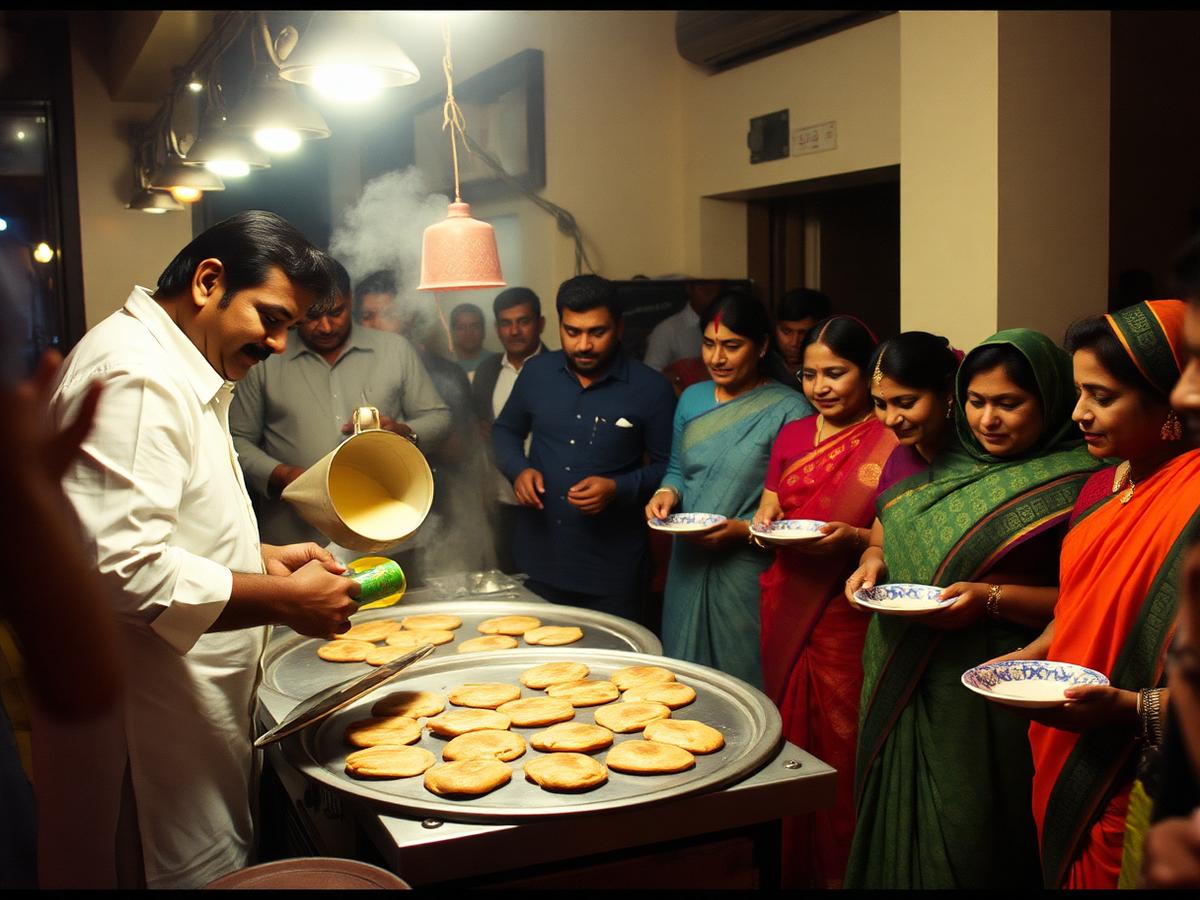
Pindivantalu can include both sweet and savoury traditional preparations; they are not simply another name for desserts. At a wedding, I would choose them deliberately rather than promise bobbatlu, burelu, ariselu and several fried snacks without considering labour and holding time.
Agree on the family name and recipe as well as the item. Bobbatlu filling, burelu size and ariselu texture can differ between households. A tasting should settle sweetness, ghee quantity and the size guests will actually receive.
The additions below are indicative 2026 menu-planning allowances when an item is added to an existing meal. They are not standalone retail prices, and they should not be added again if the chosen package already includes that preparation.
| Preparation | Starting portion per guest | Indicative addition | Kitchen and service consideration |
|---|---|---|---|
| Bobbatlu / bakshalu | 1 medium piece, approximately 55–70 g | ₹35–₹60 | Cook in rolling batches near service; agree whether a measured ghee topping is included. |
| Poornam burelu / boorelu | 2 small pieces, approximately 50–60 g combined | ₹25–₹45 | Specify filling and piece size; avoid long covered holding that softens the coating. |
| Ariselu | 1 small piece, approximately 30–40 g | ₹20–₹35 | Useful where last-minute griddle capacity is limited; approve texture at the tasting. |
| Garelu | 1 medium piece, approximately 35–45 g | ₹15–₹30 | Fry in batches and use as a savoury element, not an automatic addition to an already heavy meal. |
| Janthikalu | A small portion of approximately 20–25 g | ₹12–₹22 | Better suited to a welcome snack or separately packed portion when the main meal is extensive. |
4. What does Telugu wedding catering cost in Bangalore in 2026?
For budgeting, I would use the following bands for roughly 200–350 guests at one main meal, with a usable venue kitchen and straightforward access. These are indicative planning estimates, not a confirmed Upendar Caterers tariff. Smaller gatherings, multiple sessions and demanding handmade preparations can increase the per-guest cost.
For a like-for-like comparison, ask for food, preparation labour, standard serving vessels, basic banana leaves or standard plates, and the agreed service team within the meal rate. Have transport, GST if applicable, venue kitchen rent, venue utilities, furniture, premium crockery and any extra meal sessions shown separately.
The biggest menu-related cost drivers are usually the number and size of sweets, ghee and dry-fruit use, labour-intensive pindivantalu, and dishes requiring repeated fresh batches. An expensive menu is not automatically more recognisably Telugu.
| Meal format | Planning price per guest | Typical menu scope |
|---|---|---|
| Compact traditional meal | ₹380–₹520 | Pulihora, steamed rice, one pappu, one dry vegetable, pulusu or charu, curd, appadam, pickle and one agreed sweet. |
| Full traditional wedding meal | ₹550–₹750 | Pulihora, steamed rice, pappu, dry vegetable, vegetable gravy, pulusu, charu, curd, accompaniments, one substantial pindivantakam and payasam. |
| Elaborate Telugu spread | ₹780–₹1,050 | The fuller meal with an additional rice or vegetable, two selected pindivantalu, payasam, a savoury preparation and more batch-service labour. |
5. Set portions around the whole meal, especially rice and sweets
A Telugu wedding meal may contain two rice preparations, pappu, pulusu, charu and curd, but guests do not take a full standalone portion of each. The quantities below are cooked, ready-to-serve starting allocations for an adult guest eating a multi-course meal, not raw purchasing weights or compulsory servings.
Serve smaller first portions and offer seconds. Keep a modest replenishment allowance in the kitchen against the confirmed count rather than loading every leaf heavily; I would discuss a 5–8% preparation buffer when attendance remains slightly uncertain. That allowance should be agreed separately from the billing guarantee.
- Rice: start planning with 160–180 g steamed rice plus 80–100 g pulihora per adult; reduce each allocation if adding another rice dish.
- Pappu: approximately 70–90 g per guest, with ghee separately controlled if offered.
- Vegetables: approximately 50–60 g dry vegetable and 60–70 g gravy dish per guest.
- Liquid accompaniments: approximately 70–90 ml pulusu and 60–80 ml charu per guest when both are present.
- Curd: approximately 70–90 g per guest; curd rice is a separate menu decision, not automatically an extra full serving.
- Sweets: one 55–70 g bobbatlu or two small burelu totalling 50–60 g, plus 60–80 ml payasam. Reduce sweet portions if serving a third variety.
- Accompaniments: allow roughly 8–10 g pickle and one appadam initially, with controlled replenishment.
6. Match cooking and staffing to the actual meal-release time
Do not assume that the muhurtham is also the lunch time. Ask when the main guest group will be released to eat and whether close family will arrive later. For a 12:30 pm meal, a workable outline is venue and equipment checks by 9:00 am, main cooking underway by 9:30 am, a readiness review at 11:45 am, and final rice and sweet batches from around noon.
For a seated Telugu meal, I would plan roughly one floor server for every 20–25 guests eating simultaneously, plus one runner per 50–60 seats and a supervisor. A 150-seat dining batch therefore needs about 6–8 servers, 3 runners and one supervisor; cooks, washing and clearing staff are additional. Assign separate responsibility for rice, liquid dishes and sweets so that one delayed refill does not interrupt the entire meal.
Allow approximately 35–45 minutes for a seated meal and 10–15 minutes for clearing and resetting, adjusting for the family and venue. If rituals slip, stagger the remaining cooking and hold food under temperature control rather than leaving completed dishes at room temperature.
- Nominate one family member to authorise the first meal service and communicate ritual delays.
- Check griddle, burner and ventilation capacity before promising freshly finished bobbatlu during every seating.
- Keep a replenishable, temperature-controlled portion for the couple and immediate family instead of leaving filled plates waiting.
- Use insulated hot holding and verify hot food remains at 65°C or above; keep curd chilled at 5°C or below until service.
7. What I would put in your final Telugu wedding quotation
A useful quotation names the dishes and the service commitments. 'Traditional Andhra meals with sweets' is too vague: it does not tell you which pappu is included, whether bobbatlu replaces another sweet, or how many people will serve each dining batch.
To discuss a Telugu wedding meal with Upendar Caterers, call 9661650666 with your date, guest count, venue, meal time and essential family dishes. Our official office and kitchen address is Coffee Board Layout, Nagavara, Bengaluru, Karnataka 560024. We can then discuss a pure vegetarian menu against the actual cooking and service requirements.
- List every dish, the agreed onion–garlic rules and any recipe-specific instructions.
- Record pindivantalu piece size, initial quantity per guest, replenishment allowance and whether ghee is included.
- Confirm the guaranteed meal count, headcount-change deadline and written terms for extra guests.
- Specify the number of dining seats or buffet points, service duration, staffing and responsibility for clearing.
- Separate transport, taxes, kitchen access costs, utilities and extra-session charges from the meal price.
- Declare allergens, including peanuts, sesame, milk, wheat and cashews wherever used; do not promise an allergen-free meal without assessing the kitchen process.
Areas we serve in Bengaluru
We cook on site across Bengaluru. Pick your neighbourhood for local menus, pricing and venue notes:
- Yelahanka catering
- RT Nagar catering
- Kalyan Nagar catering
- Nagavara catering
- Hebbal & Kempapura catering
- Sahakarnagar catering
- Thanisandra catering
- Manyata Tech Park catering
Get a menu and quote for your date
Share your date, guest count and location — we will send a tailored pure-veg menu and per-plate quote the same day.
Frequently asked questions
- How much does pure veg Telugu wedding catering in Bangalore cost in 2026?
- Use ₹380–₹520 per guest for a compact traditional meal, ₹550–₹750 for a fuller wedding spread, and ₹780–₹1,050 for an elaborate menu as indicative planning bands. These assume roughly 200–350 guests at one meal with a usable venue kitchen. Obtain a written quotation that identifies service inclusions and separately states transport, venue charges and GST if applicable.
- Which dishes should be included in a traditional Telugu wedding menu?
- A useful starting point is pulihora, steamed rice, one pappu, a dry vegetable, a vegetable gravy or pulusu, charu, curd, appadam, pickle and selected sweets. Bobbatlu, burelu or ariselu can provide the family's preferred pindivantalu element. There is no single compulsory menu across all Telugu households, so confirm regional and family preferences before adding dishes.
- Should we serve bobbatlu, burelu and ariselu at the same wedding meal?
- You can, but all three can make the sweet selection heavy, particularly if payasam is also served. I would usually choose one substantial pindivantakam and one smaller second sweet, or move another preparation to a separate session or takeaway portion. If all three are important to the family, agree smaller pieces and the production plan before booking.
- Can a Telugu wedding menu be made without onion and garlic?
- Yes, the meal can be planned without onion and garlic, including pappu, pulihora, vegetable dishes, pulusu and sweets. The instruction must cover tempering, chutneys, podi and purchased ingredients, not just the visible ingredients in the main dishes. Discuss separately prepared ritual offerings and any utensil or handling requirements with the family and priest.
- Is banana-leaf service better than a buffet for a Telugu wedding?
- Seated banana-leaf service works well when the family wants a coordinated meal and regular offers of rice, pappu and accompaniments. A buffet is more flexible when guests arrive over a longer period, but it needs clear dish labels, easy refills and suitable holding for pindivantalu. Choose according to dining space, guest mobility and the ritual schedule rather than assuming one format is always more traditional.
- Can the food be mildly spiced without losing its Telugu character?
- Yes; Telugu flavour does not depend only on chilli heat. Tamarind, raw mango, curry leaves, tempering and the chosen pappu or pulusu recipe can preserve the intended character while the chilli is moderated. Approve the actual heat and sourness at a tasting, and offer a suitable pickle or podi separately for guests who prefer stronger flavours.
About the author
Nandu Yadav
Chief Consultant & Owner, Upendar Caterers · 20 years in catering
Nandu Yadav is a veteran of the Bangalore catering industry with over 20 years of experience. He specializes in large-scale pure vegetarian event planning, traditional South Indian menu design, and per-plate costing for weddings and corporate events. Having managed over 5,000 successful functions across North Bangalore (Sanjaynagar, Sahakarnagar, Hebbal) and major tech parks, Nandu provides authoritative insights based on real-world logistical expertise.
- Pure Vegetarian Wedding Catering
- Per-plate Costing & Quantity Planning
- Traditional Brahmin & South Indian Menus
- Corporate Lunch Operations in Tech Parks
- On-site Kitchen Setup & Food Safety (FSSAI)
- Logistics for Large Events (5000+ guests)